
Barrigel® Rectal Spacer for Prostate Radiotherapy in Kuala Lumpur
Reducing rectal radiation exposure during prostate cancer treatment through temporary spacer placement.
Overview
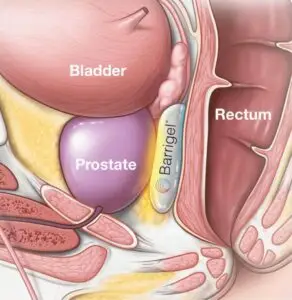
Barrigel® is a biodegradable rectal spacer placed between the prostate and rectum before radiotherapy. By creating temporary space between these structures, it may help reduce radiation exposure to the bowel and lower the risk of treatment-related rectal side effects.
Radiotherapy planning should always be individualised. In selected patients, rectal spacer placement may form part of a broader strategy to improve treatment precision and protect surrounding tissues.
What Is a Rectal Spacer?
A rectal spacer is a soft gel material inserted between the prostate and rectum prior to prostate radiotherapy.
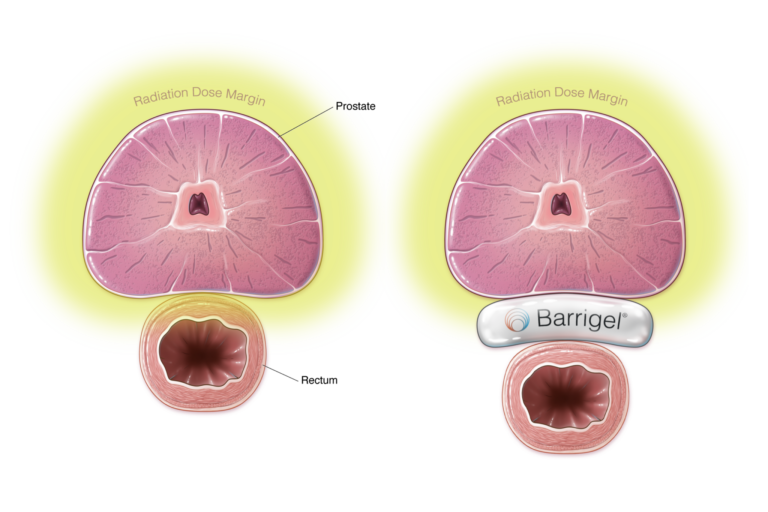
Because the rectum sits directly behind the prostate, it may receive unintended radiation exposure during treatment. Creating additional space between the two structures can help reduce the amount of radiation reaching the bowel.
Barrigel® is designed to:
- Temporarily separate the prostate and rectum
- Reduce radiation exposure to the rectum
- Support more precise radiotherapy delivery
- Lower the risk of bowel-related side effects in selected patients
The gel gradually breaks down and is naturally absorbed by the body over time.
Why Is Rectal Protection Important During Prostate Radiotherapy?
Radiotherapy remains an important treatment option for many men with prostate cancer. Modern radiotherapy techniques have improved treatment precision considerably, although nearby structures such as the rectum may still receive some radiation exposure during treatment.
Some men may experience bowel-related side effects during or after treatment, including:
- Rectal irritation
- Loose stools
- Urgency
- Rectal bleeding
- Discomfort during bowel movements
Not every patient develops these symptoms, and severity varies between individuals. Reducing unnecessary radiation exposure to surrounding tissues remains an important part of treatment planning.
How Barrigel® Works
During the procedure, the gel is injected into the space between the prostate and rectum using image guidance.
This creates temporary separation between the two structures, helping move the rectum away from the highest radiation area.
The procedure is minimally invasive and is usually performed before radiotherapy planning begins.
The most appropriate technique depends on cancer characteristics, imaging findings, biopsy results, anatomy, treatment goals, and available expertise.
How the Spacer Creates Separation
The rectum sits directly behind the prostate and may receive unintended radiation exposure during treatment. A rectal spacer creates temporary separation between these structures, helping move the rectum away from the highest radiation area.
Who May Benefit From Barrigel®?
Rectal spacer placement may be considered in selected men undergoing prostate radiotherapy, particularly when reducing rectal radiation exposure is an important priority.
Suitability depends on several factors, including:
- Prostate anatomy
- Planned radiation dose and technique
- Previous pelvic treatment
- Overall treatment goals
- Individual bowel and urinary considerations
Not all patients require a spacer procedure. Assessment should always be individualised after discussion with the treating urologist and oncology team.
What Happens During the Procedure?
Barrigel® placement is typically performed as a day procedure under anaesthesia.
Using ultrasound guidance, the gel is carefully inserted into the space between the prostate and rectum through the perineal area (the skin between the scrotum and anus).
The procedure itself usually takes less than an hour.
Many patients return home on the same day.
In some patients, rectal spacer placement may be performed together with fiducial marker insertion as part of radiotherapy preparation.
Recovery After Rectal Spacer Placement
Most patients recover quickly after the procedure.
Temporary symptoms may include:
- Mild perineal discomfort
- Light spotting or bruising
- Temporary urinary symptoms
- Mild pelvic pressure
Serious complications are uncommon but can occur with any invasive procedure. Your doctor will discuss potential risks and expected recovery before treatment.
Frequently Asked Questions
Is Barrigel® permanent?
No. Barrigel® is biodegradable and gradually absorbs naturally over time after radiotherapy is completed.
Does the procedure affect urination or sexual function?
The spacer itself is not intended to affect urinary or sexual function. However, overall prostate cancer treatment may still influence these areas depending on the treatment plan.
Can Barrigel® completely prevent bowel side effects?
No procedure can completely eliminate all radiotherapy risks. However, rectal spacers may help reduce radiation exposure to the bowel and lower the likelihood of certain rectal side effects in selected patients.
Is Barrigel® used together with fiducial markers?
In some patients, fiducial marker insertion and rectal spacer placement may be performed during the same session to assist radiotherapy planning and targeting accuracy.
Multidisciplinary Radiotherapy Planning
Rectal spacer placement may be considered in selected patients undergoing prostate radiotherapy as part of individualised treatment planning.
Decisions regarding spacer use should be made in coordination with the treating radiation oncology and urology teams, taking into account anatomy, treatment approach, and overall clinical goals.
Barrigel® placement and related procedural support are available through Prince Court Medical Centre, Kuala Lumpur.