Rezūm™ Water Vapour Therapy for Enlarged Prostate (BPH)
A minimally invasive treatment for urinary symptoms caused by benign prostate enlargement, designed to improve urine flow while preserving quality of life and sexual function where possible.
Overview
Urinary symptoms caused by an enlarged prostate can gradually affect sleep, daily activities, travel, and overall quality of life. While medications may help some men, others continue to experience bothersome symptoms or prefer alternatives to long-term medication.
Rezūm™ Water Vapour Therapy is a minimally invasive treatment designed to reduce excess prostate tissue using targeted water vapour (steam) energy. The procedure aims to improve urinary flow and relieve symptoms associated with benign prostate enlargement, also known as benign prostatic hyperplasia (BPH).
Understanding Enlarged Prostate (BPH)
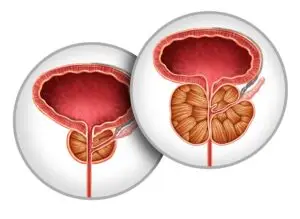
The prostate gland naturally enlarges with age in many men. As the prostate enlarges, it may narrow the urinary passage and affect bladder emptying.
This can lead to lower urinary tract symptoms (LUTS), including:
- Weak urine stream
- Difficulty starting urination
- Frequent urination
- Waking at night to pass urine (nocturia)
- Sudden urgency to urinate
- Dribbling after urination
- Feeling of incomplete bladder emptying
Symptoms may gradually worsen over time and can significantly affect comfort, sleep, confidence, and daily quality of life.
What Is Rezūm™ Water Vapour Therapy?
Rezūm™ Water Vapour Therapy is a minimally invasive treatment for urinary symptoms caused by enlarged prostate tissue.
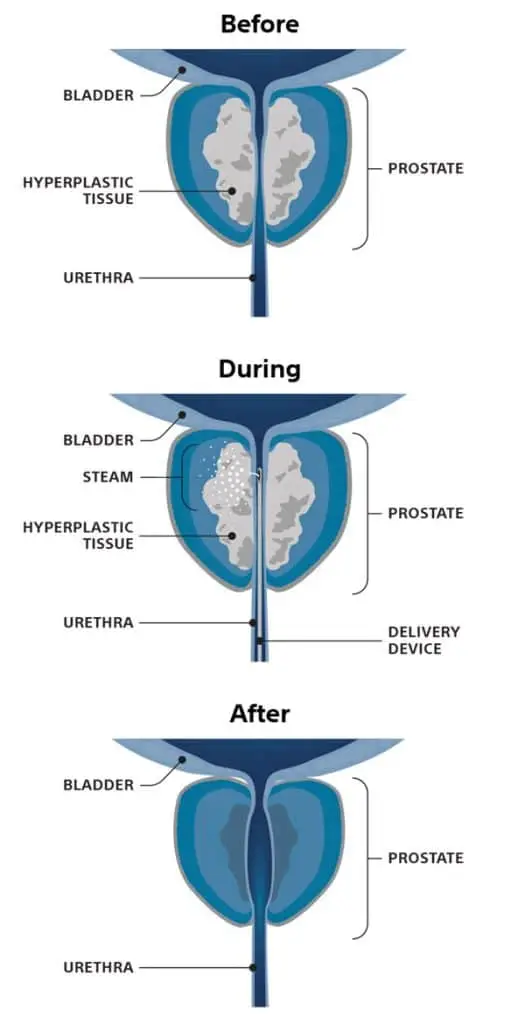
During the procedure, sterile water vapour (steam) is delivered into targeted areas of enlarged prostate tissue through a specialised device inserted via the urinary passage. The stored thermal energy within the vapour helps reduce excess prostate tissue over time.
As the treated tissue gradually shrinks during the healing process, urinary flow may improve and urinary symptoms may lessen.
The procedure is typically performed without surgical incisions and is usually carried out as a day procedure.
Who May Benefit from Rezūm™ Therapy?
Rezūm™ may be considered for men with bothersome urinary symptoms caused by benign prostate enlargement, particularly when symptoms persist despite lifestyle changes or medication.
It may be suitable for men who:
- Prefer a minimally invasive alternative to surgery
- Wish to reduce or avoid long-term medication
- Want to preserve sexual function where possible
- Have moderate prostate enlargement
- Prefer shorter recovery and reduced downtime
Not all men with enlarged prostate are suitable candidates for Rezūm™ therapy. Prostate size, anatomy, bladder function, previous treatments, and overall health should all be assessed individually before deciding on treatment.
The most appropriate technique depends on cancer characteristics, imaging findings, biopsy results, anatomy, treatment goals, and available expertise.
Assessment Before Rezūm™ Therapy
Assessment for enlarged prostate symptoms may include:
- Medical history and symptom assessment
- Physical examination
- Urine tests
- PSA blood testing
- Ultrasound assessment
- Urinary flow rate testing
- Bladder emptying assessment
- Flexible cystoscopy in selected patients
These investigations help determine whether symptoms are related to prostate enlargement and whether Rezūm™ therapy is an appropriate option.
What Happens During the Procedure?
Rezūm™ therapy is performed using a small device passed through the natural urinary passage (urethra).
Targeted injections of water vapour are delivered into selected areas of enlarged prostate tissue. Each treatment is brief, and the overall procedure is usually relatively short.
Some patients may require temporary urinary catheterisation after the procedure while swelling settles during the early recovery period.
The exact recovery process can vary depending on prostate size, urinary symptoms, bladder function, and individual healing response.
The illustration below demonstrates how water vapour therapy targets enlarged prostate tissue and helps widen the urinary passage over time.
Recovery After Rezūm™ Therapy
Improvement in urinary symptoms is usually gradual rather than immediate.
During the healing phase, temporary urinary symptoms are common and may include:
- Burning during urination
- Increased urinary frequency or urgency
- Mild blood in the urine
- Mild pelvic discomfort
- Temporary difficulty passing urine
These symptoms often improve gradually over several weeks as healing progresses.
Many patients are able to resume light daily activities relatively soon after treatment, although recovery experiences can vary between individuals.
What Improvements May Patients Notice After Treatment?
The aim of water vapour therapy is to reduce urinary symptoms caused by enlarged prostate tissue obstructing urine flow.
Improvement may vary between individuals, but patients may notice changes such as:
- improved urine flow
- reduced urinary frequency
- less urgency
- fewer episodes of night-time urination
- improved bladder emptying
- reduced interruption to daily activities and sleep
Symptom improvement may take time and does not always occur immediately after treatment. Recovery and treatment response vary depending on prostate size, bladder function, baseline urinary symptoms, and overall health.
Some patients may continue to require medication or further treatment depending on the long-term clinical response.
Sexual Function Considerations
Many men are concerned about the potential effect of prostate treatment on sexual function.
One reason some patients consider minimally invasive therapies such as Rezūm™ is the possibility of preserving erectile and ejaculatory function compared with some conventional surgical procedures. However, outcomes can vary between individuals, and no treatment is entirely without potential risks or side effects.
Treatment decisions should always involve careful discussion regarding expected benefits, limitations, and individual priorities.
Potential Advantages of Rezūm™ Therapy
Potential benefits of Rezūm™ therapy may include:
- Minimally invasive treatment without surgical incisions
- Usually performed as a day procedure
- Shorter recovery compared with some surgical procedures
- No permanent implant left inside the body
- Lower risk of certain sexual side effects compared with some conventional surgeries
- Reduced dependence on long-term medication in selected patients
- Improvement in urinary flow and quality of life
Treatment outcomes may vary depending on prostate size, bladder function, and overall health.
Important Considerations
Rezūm™ therapy is intended for urinary symptoms caused by benign prostate enlargement (BPH). It is not a treatment for prostate cancer.
Men with urinary symptoms may still require assessment for other urinary or prostate conditions depending on their symptoms, examination findings, PSA levels, and investigations.
Understanding Treatment Options for Enlarged Prostate
Several treatment options are available for urinary symptoms caused by enlarged prostate (BPH). The most appropriate treatment depends on symptom severity, prostate size, prostate anatomy, bladder function, overall health, medication history, and individual treatment priorities.
For some patients, lifestyle measures or medication may help improve symptoms. Others may require minimally invasive treatment or surgery if urinary obstruction becomes more significant or symptoms continue to affect quality of life.
Treatment options may include:
| Treatment | General Approach | Typical Considerations |
|---|---|---|
| Lifestyle measures and monitoring | Observation and symptom management | May be appropriate for mild symptoms |
| Medication | Tablets used to improve urinary symptoms | May help mild to moderate symptoms but often require ongoing use |
| Rezūm™ water vapour therapy | Uses water vapour to treat enlarged prostate tissue | Minimally invasive option for selected patients |
| TURP | Surgical removal of prostate tissue through the urethra | Common procedure for moderate to severe obstruction |
| Laser prostate surgery | Uses laser energy to remove or reduce prostate tissue | May be considered depending on prostate size and bleeding risk |
| Simple prostatectomy | Surgery for very large prostates | Usually reserved for selected larger glands |
No single treatment is suitable for every patient. A urological assessment helps determine which approach may be most appropriate based on urinary symptoms, prostate size, bladder function, recovery expectations, and overall clinical assessment.
Frequently Asked Questions About Rezūm™ Therapy
Is Rezūm™ therapy painful?
The procedure itself is usually performed with appropriate anaesthesia or sedation. Some temporary urinary discomfort, urgency, or mild burning during urination may occur during the recovery period.
Will I need a urinary catheter after the procedure?
Some patients may require a temporary urinary catheter for a short period after treatment while swelling settles.
How long does recovery take?
Recovery experiences vary. Some men notice gradual symptom improvement over several weeks as treated prostate tissue shrinks and healing progresses.
Can urinary symptoms return after treatment?
Long-term outcomes can vary between individuals. Some men may require additional treatment in the future depending on prostate growth and symptom progression over time.
Does Rezūm™ therapy affect sexual function?
One reason some men consider Rezūm™ therapy is the possibility of preserving erectile and ejaculatory function compared with some conventional surgeries. However, outcomes vary, and all treatments carry potential risks and limitations.
When Should Men Seek Medical Assessment?
Medical assessment may be helpful for men experiencing:
- Persistent urinary symptoms
- Difficulty emptying the bladder
- Recurrent urinary tract infections
- Blood in the urine
- Sudden worsening urinary symptoms
- Urinary retention
- Sleep disruption due to frequent urination
Not all urinary symptoms are caused by benign prostate enlargement. Proper assessment is important to exclude other urinary conditions and guide appropriate treatment.
Concerned About Urinary Symptoms From Enlarged Prostate?
A urology consultation may help clarify whether medication, monitoring, minimally invasive treatment, or surgery may be appropriate based on symptom severity, prostate size, bladder function, and overall health assessment.
Appointments are arranged through Prince Court Medical Centre.