
Recurrent Urinary Tract Infections (UTIs) in Women – Expert Care in Kuala Lumpur
Recurrent urinary tract infections (UTIs) are a common yet frustrating condition for many women. Defined as two or more infections within six months or three or more within a year, these repeated episodes can significantly impact quality of life.
At Prince Court Medical Centre, Kuala Lumpur, Consultant Urologist Dr. Roger Anthony Idi provides compassionate, evidence-based care for women experiencing recurrent UTIs. Using a tailored approach, he focuses on accurate diagnosis, effective treatment, and long-term prevention to help you regain comfort and confidence.
Understanding Recurrent UTIs
A urinary tract infection (UTI) occurs when bacteria enter the urinary tract, leading to infection of the bladder (cystitis), urethra, or, in more severe cases, the kidneys. While most infections resolve with prompt treatment, some women experience repeated episodes.
If you have two or more UTIs within six months or three or more within a year, this is considered a recurrent UTI. Such patterns often point to underlying factors — such as bladder emptying problems, hormonal changes, or structural issues — that deserve further evaluation and tailored treatment.
Common Symptoms
Typical signs of a urinary tract infection include:
• A strong, persistent urge to urinate
• Burning or pain during urination
• Cloudy, bloody, or foul-smelling urine
• Pelvic discomfort or pressure
• Fever and back pain in more severe cases

Causes and Risk Factors
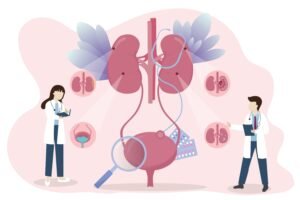
Several factors may increase the risk of recurrent UTIs in women:
Anatomy
A shorter urethra makes it easier for bacteria to enter the bladder.
Hormonal changes
Postmenopausal women may have reduced protective vaginal flora.
Sexual activity
Frequent intercourse can introduce bacteria into the urinary tract.
Contraceptive methods
Spermicides and diaphragms may increase UTI risk.
Underlying conditions
Kidney or bladder abnormalities, stones, or incomplete bladder emptying.
Immune factors
Certain health conditions can reduce the body ability to fight infections.
Diagnosis
Managing recurrent UTIs requires a thorough evaluation. Dr. Roger may recommend:
• Urine analysis and culture to identify bacteria
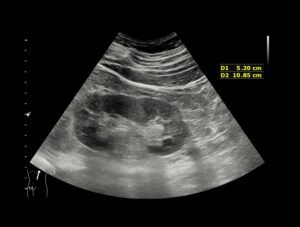
• Ultrasound or other imaging studies to check for structural issues
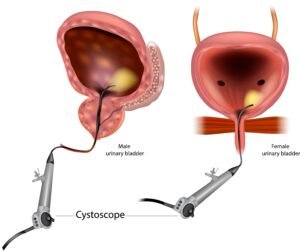
• Cystoscopy to inspect the bladder (in selected cases)
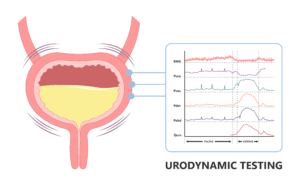
• Urodynamic studies / uroflowmetry

Treatment Options
Treatment is tailored to each individual’s history and needs:
1. Targeted Antibiotic Therapy
Based on culture results, ensuring the right medication is used.
2. Low-Dose Preventive Antibiotics
Short-term or post-intercourse preventive therapy for selected patients.
3. Addressing Underlying Causes
Treatment of contributing factors such as stones, incomplete bladder emptying, or hormonal imbalances.
4. Non-Antibiotic Prevention
• Vaginal estrogen therapy (for postmenopausal women)
• Bladder-friendly hygiene practices
• Supplements such as D-mannose or cranberry extract
5. Intravesical Medication (Bladder Instillation)
For some women with recurrent urinary tract infections, targeted treatment can be delivered directly into the bladder — a method called intravesical medication or bladder instillation.
This approach allows the medication to work exactly where it’s needed, helping to:
Reduce inflammation of the bladder lining
Restore the bladder’s natural protective layer
Lower the risk of future infections
The treatment is performed in a clinic setting and usually takes only a few minutes. Most patients tolerate the procedure well, and there is no need for general anaesthesia.
Intravesical medication is not suitable for everyone. Dr. Roger will discuss whether this option is appropriate for you after reviewing your history, test results, and previous treatment responses.
Why Choose Dr. Roger for Recurrent UTI Care
• Specialist in urinary tract health: Extensive experience in diagnosing and managing complex and recurrent infections
• Minimally invasive techniques: Modern tools for accurate investigation and treatment
• Personalised prevention strategies: Tailored advice to reduce future infections without unnecessary antibiotics
• Multilingual care: Comfortable communication for local and regional patients
Schedule Your Consultation
If you experience repeated urinary tract infections, early assessment can help prevent complications and improve your quality of life.
📞 Appointments: +603 2160 0000
📍 Prince Court Medical Centre, Kuala Lumpur