
Kidney stone treatment in Kuala Lumpur
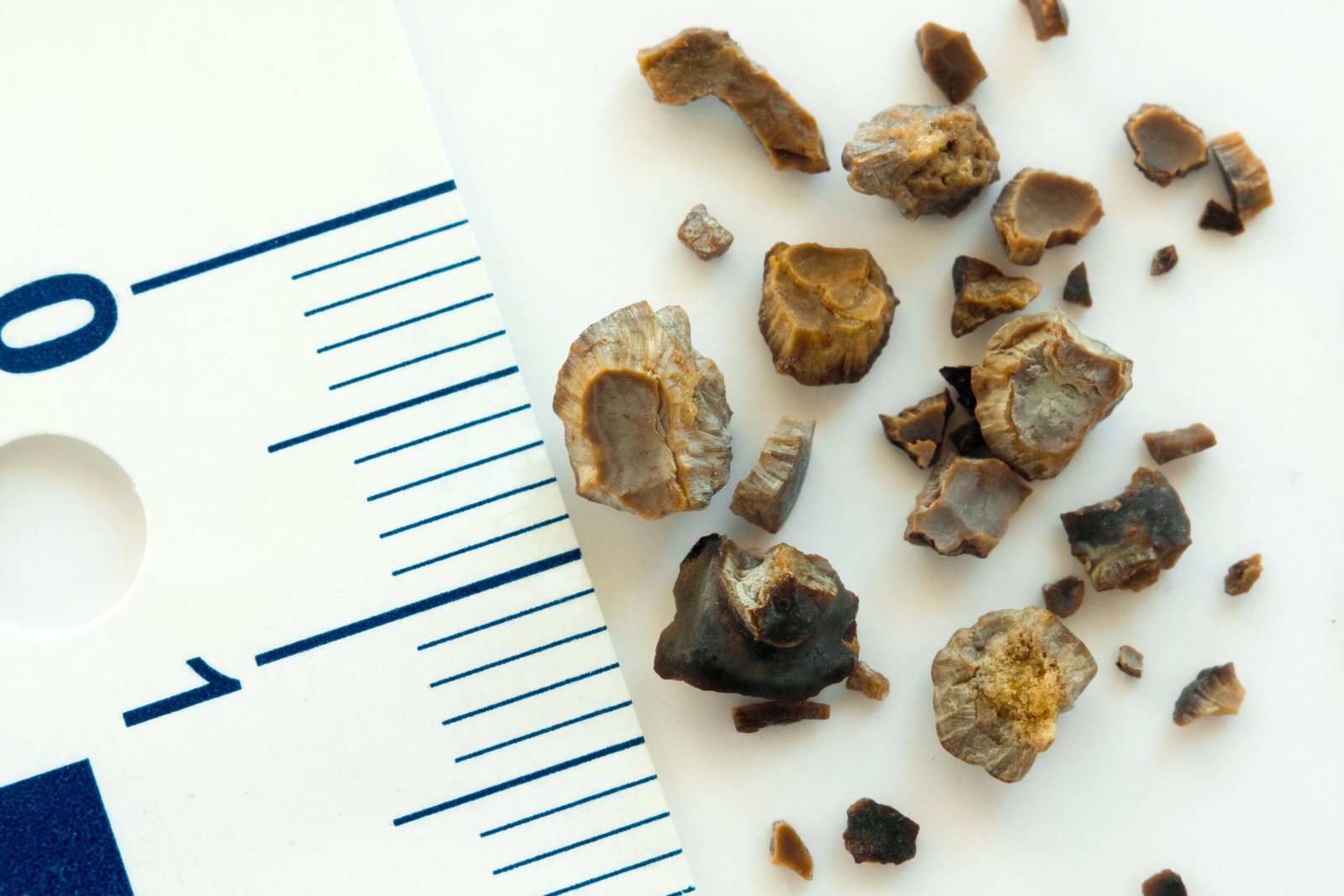
Kidney stones are hard deposits that form inside the kidneys from minerals and salts in the urine. They are a common urological condition and can range from small, passable fragments to larger stones that require surgical removal. Some stones cause no symptoms, while others can lead to severe pain, bleeding, or urinary blockage.
This page explains how kidney stones develop, the symptoms to look out for, and how they are diagnosed — along with the full range of kidney stone treatment in Kuala Lumpur available through Dr. Roger Anthony Idi. It also provides guidance on long-term prevention to reduce the risk of recurrence.
Understanding Kidney Stones
Kidney stones develop when the concentration of certain substances in the urine becomes too high, leading to crystal formation. Over time, these crystals may combine into stones.
Common contributing factors include:
Inadequate fluid intake or dehydration
High intake of sodium, oxalate, or animal protein
Family history of kidney stones
Medical conditions such as hyperparathyroidism, gout, or recurrent urinary tract infections
Certain medications or supplements (e.g. calcium, vitamin D, diuretics)
Common Symptoms
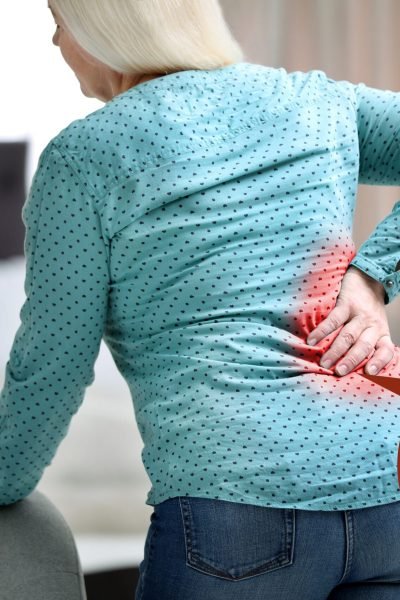
Some stones are discovered incidentally, but many present with acute symptoms, especially if they move into the ureter and block urine flow.
Typical symptoms include:
Sudden, sharp pain in the back or side (renal colic)
Pain that radiates to the lower abdomen or groin
Blood in the urine (visible or microscopic)
Burning sensation when urinating
Frequent or urgent need to urinate
Nausea or vomiting, especially if the stone causes obstruction
Cloudy or foul-smelling urine
Fever and chills (suggestive of infection — requires urgent attention)
Diagnostic Investigations
An accurate diagnosis helps determine the stone’s size, location, and potential for spontaneous passage.
Diagnostic tests may include:
Ultrasound KUB: A non-invasive scan without radiation. Often used for initial assessment.
Non-contrast CT Scan (CT KUB): The most sensitive test to detect stones, even very small ones.
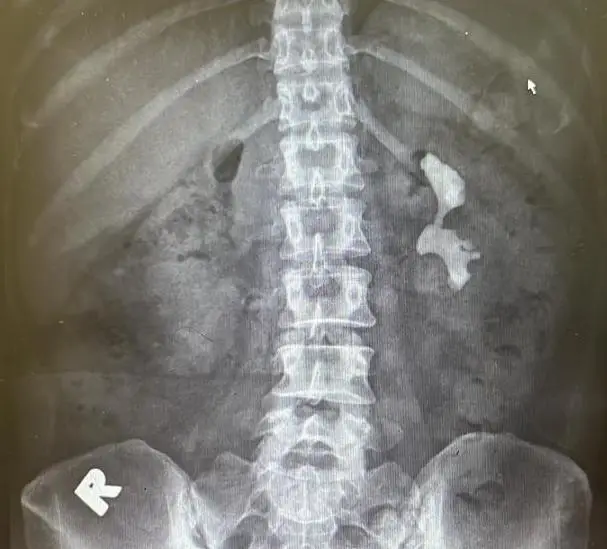
X-ray (KUB): Useful in tracking known radio-opaque stones over time.
Urine Test (UFEME and culture): To detect infection or hematuria.
Blood Tests: To assess kidney function, calcium, uric acid, and other metabolic markers.
In recurrent cases, a full metabolic workup may be advised to identify underlying risk factors.
Treatment Options
The right kidney stone treatment in Kuala Lumpur depends on several factors, including the stone’s size, location, composition, presence of symptoms, and patient preference. Dr. Roger offers a full range of options including laser for kidney stone— tailored to each individual’s needs.
1. Conservative (Non-Surgical) Management
Small stones (typically <5mm) may pass on their own with supportive care:
Pain relief medications
Alpha-blockers (e.g., tamsulosin) to relax ureter muscles and improve stone passage
Increased fluid intake
Monitoring with serial imaging
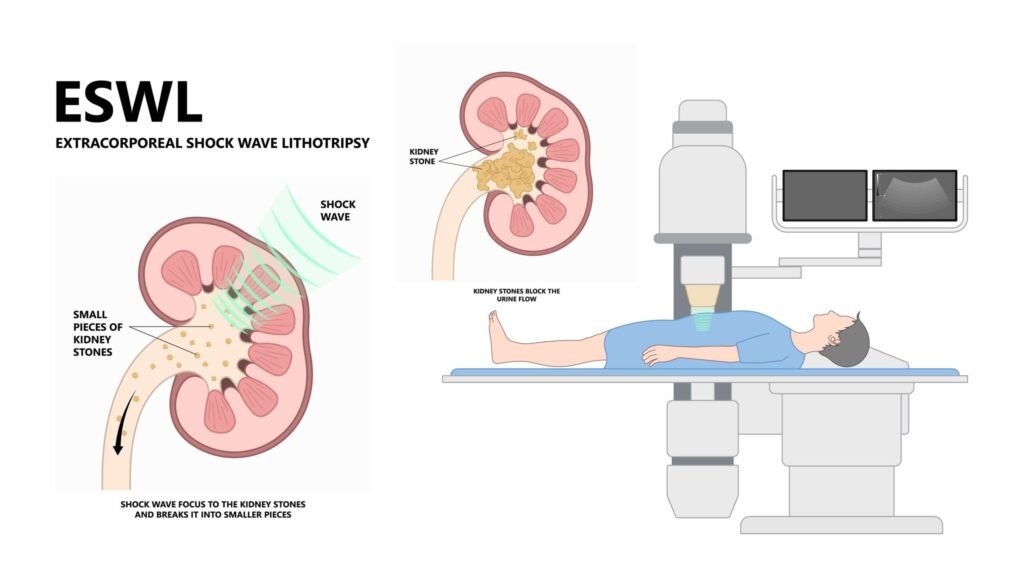
2. Extracorporeal Shockwave Lithotripsy (ESWL)
Uses high-energy sound waves to break the stone into smaller pieces
Non-invasive, performed as a day procedure
Best suited for smaller stones in the kidney or upper ureter
May require more than one session
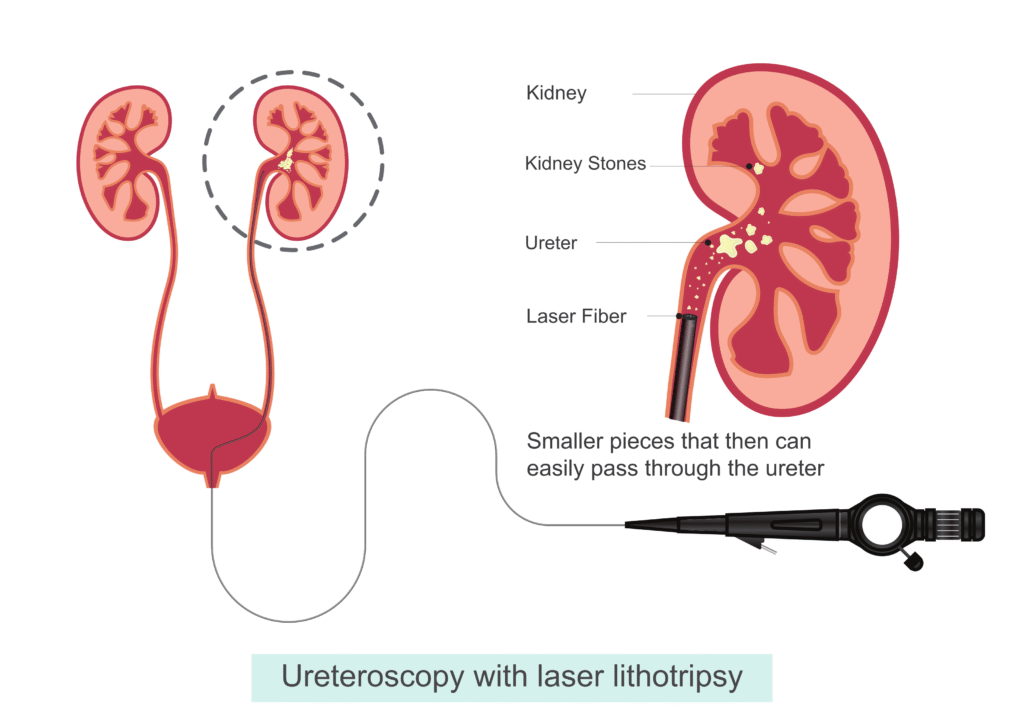
3. Ureteroscopy (URS) with Laser Lithotripsy
A small scope is inserted via the urethra and bladder to reach the stone
Laser is used to fragment the stone
Suitable for stones in the ureter or kidney
Typically performed as a day or overnight procedure
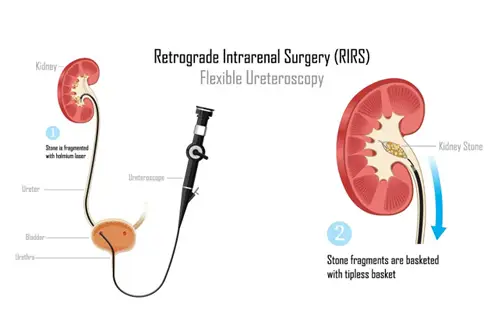
4. Retrograde Intrarenal Surgery (RIRS)
A flexible ureteroscope is passed into the kidney via the urinary tract
Allows access to upper pole or complex kidney stones
Laser used to dust or fragment stones
Day procedure or short overnight stay
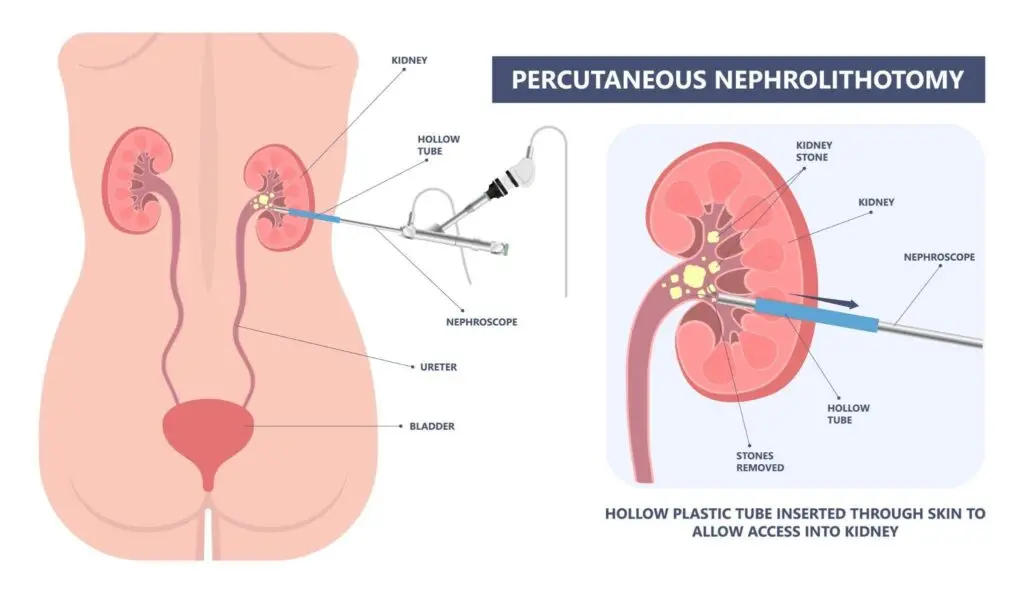
5. Percutaneous Nephrolithotomy (PCNL)
A keyhole procedure for large or complex stones
Involves making a small incision in the back to access the kidney directly
May be combined with laser or ultrasonic fragmentation
Short hospital stay is usually required
6. Mini-PCNL (Mini Percutaneous Nephrolithotomy)
A less invasive version of standard PCNL
Performed via a small (miniaturized) tract through the skin into the kidney
Suitable for stones too large for ureteroscopy but small enough to avoid full PCNL
May allow quicker recovery with less bleeding
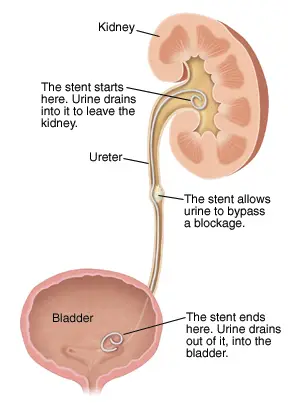
7. Temporary Ureteric Stenting
A thin tube (stent) may be placed to relieve obstruction and allow urine to flow
Often used before or after surgery, or if infection is present
Stone Analysis & Prevention

Preventing recurrence is a key part of long-term care. After stone removal, the composition can be analysed in a lab to understand the cause.
Based on the findings, prevention may include:
Hydration targets: At least 2.5–3L of fluid per day
Dietary adjustments:
Reducing sodium and animal protein
Limiting oxalate-rich foods (e.g., spinach, nuts, chocolate)
Maintaining adequate calcium intake (not excessive)
Medications: If needed to correct metabolic imbalances (e.g. potassium citrate, allopurinol, thiazide diuretics)
Regular monitoring: Imaging and urine tests at intervals to detect early recurrence
When to Seek Help
Prompt attention is advised if you experience:
Persistent or severe flank pain
Visible blood in the urine
Fever or chills with urinary symptoms (possible infection)
Nausea or vomiting that prevents fluid intake
Difficulty passing urine
Kidney stone evaluation and treatment services are available at Prince Court Medical Centre, Kuala Lumpur. Dr. Roger Anthony Idi provides personalised kidney stone treatment in Kuala Lumpur using minimally invasive approaches tailored to each patient’s needs.
For enquiries or appointments
📧 contact@drrogerurologist.com
🔗 Contact form for enquiries